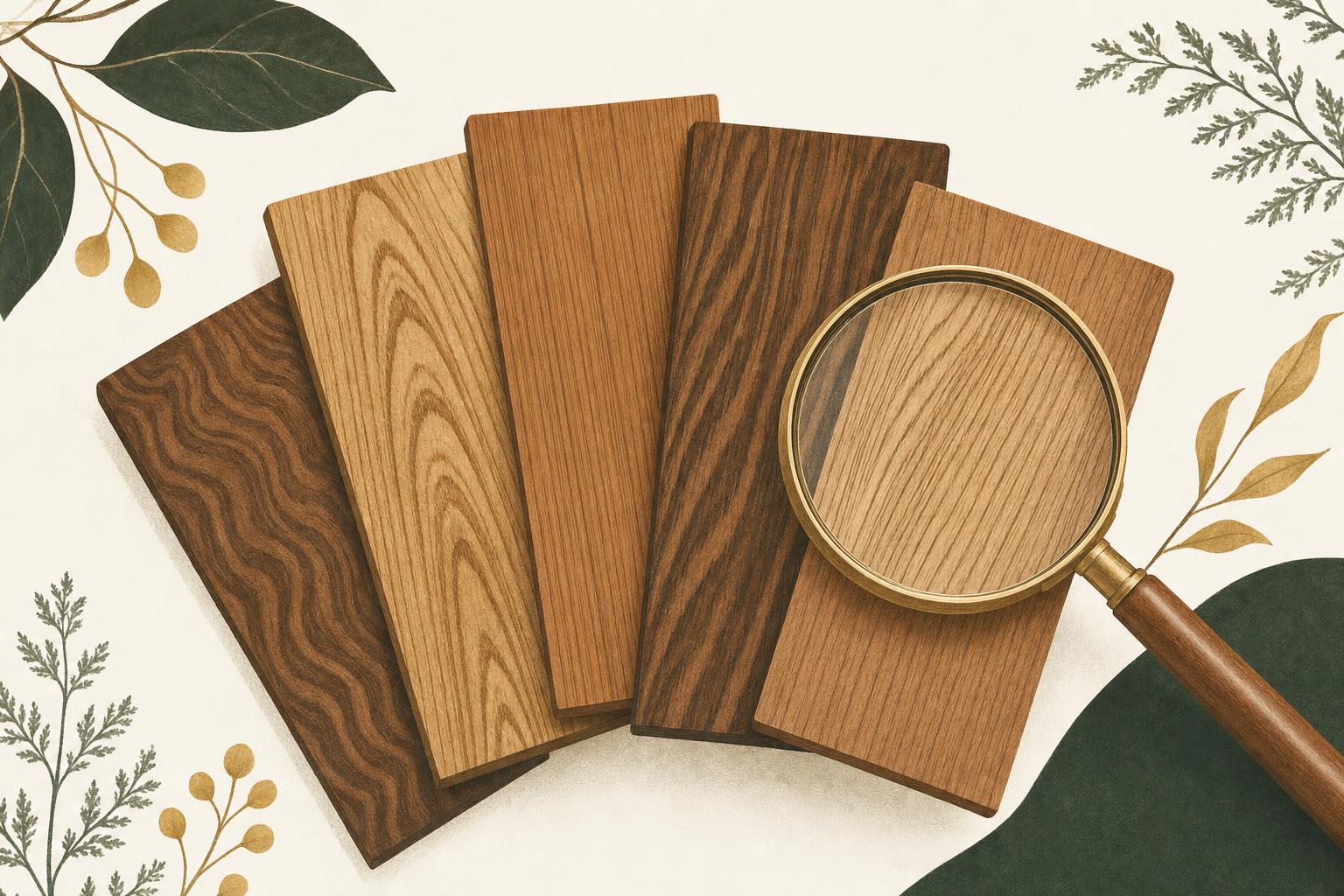
How to identify the wood in antique furniture
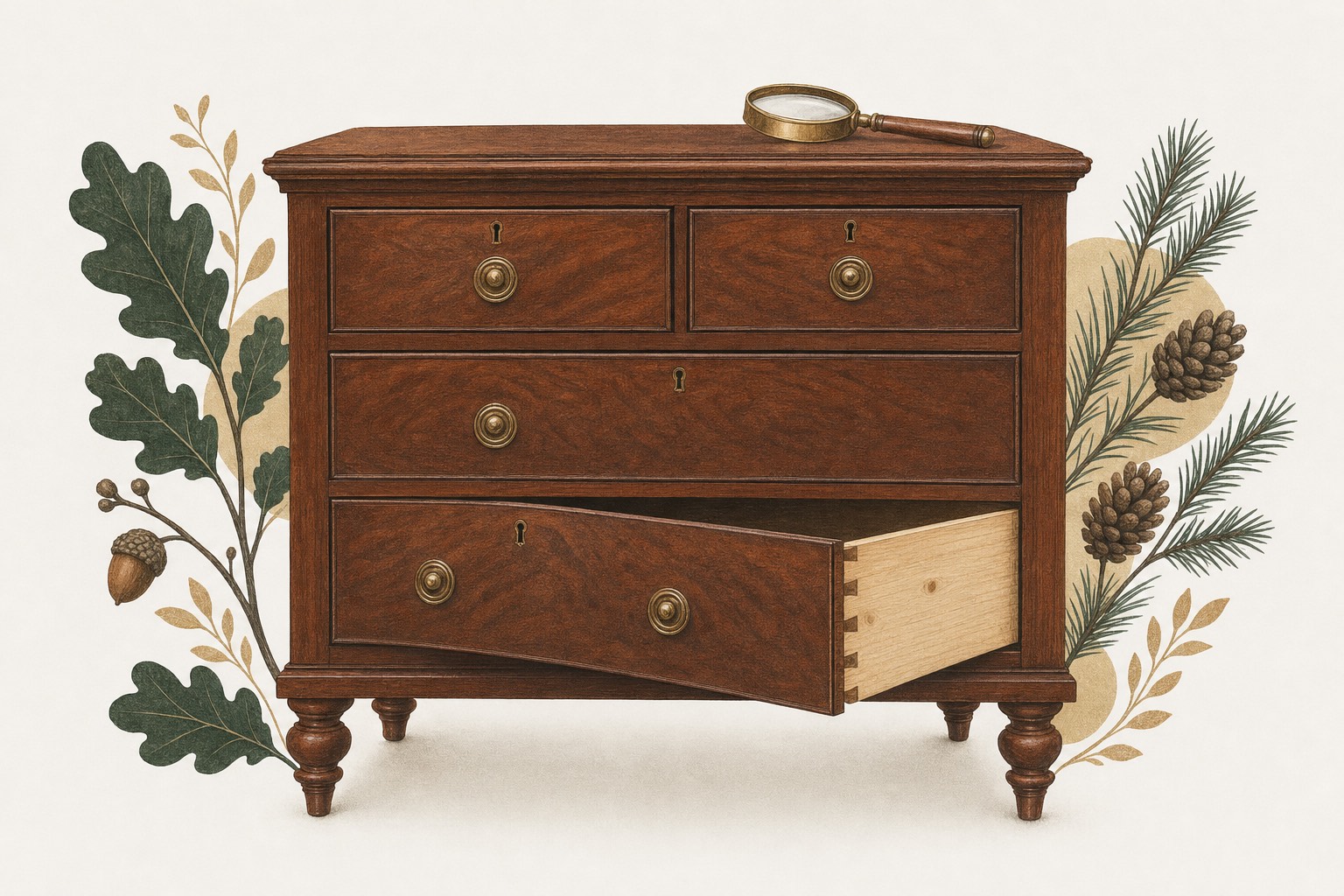
Antique furniture usually uses two woods: a show wood on the visible surfaces (mahogany, walnut, oak, cherry or rosewood) and a cheaper secondary wood inside (pine, poplar, chestnut or oak). Identify both. The show wood tells you the style and value; the secondary wood often tells you where the piece was made. Construction details, like hand-cut dovetails and saw marks, help place it in time.
Show woods by period
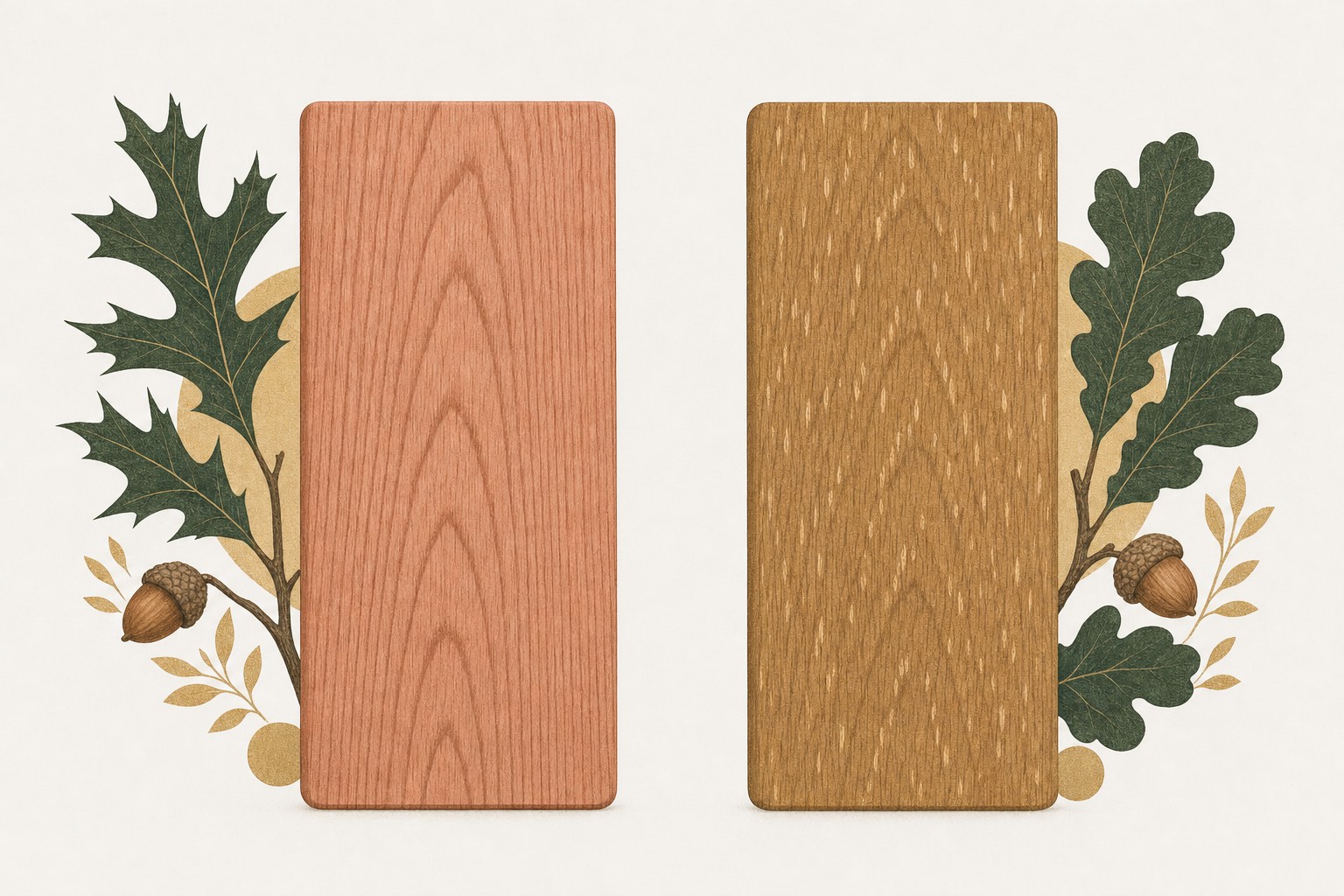
Oak dominates English and early American furniture before about 1700, and returns in Victorian and Arts and Crafts pieces, where quartersawn white oak with bold ray flecks is the signature of the Mission style (roughly 1900 to 1920). Walnut has peaks in the early 18th century and again in mid-Victorian pieces. Mahogany is the luxury wood of Georgian and Federal furniture from the mid-18th century on. Rosewood appears in 19th-century veneers, and teak and walnut veneers define mid-century modern design.
Secondary woods tell you where
Look at drawer sides and bottoms, backboards and the underside of tops. American makers typically used tulip poplar, white pine or chestnut as secondary woods; English makers favored oak and pine (often called deal). Cedar-lined drawers point to certain regions and later dates. Because secondary woods were never stained or polished, they are also the easiest surfaces to photograph and identify.

Construction clues to age
Hand-cut dovetails are few, wide and slightly irregular, with fine scribe lines; machine dovetails are evenly spaced and identical. Straight, parallel saw marks on hidden boards suggest older pit or sash sawing, while curved marks come from circular saws used in the US from about the 1830s on. Solid round tabletops shrink across the grain and become measurably oval over a century. Old surfaces are darkened and worn where hands touch, and fresh wood in those spots is a warning sign.
Identify without damaging the finish
Never sand an antique to identify it; the original finish is part of its value. Instead photograph the unfinished secondary woods and any worn, unfinished show surfaces such as the underside of the top. LasWood identifies the species from those photos, and Tree Chat can answer follow-ups about care and refinishing. For a high-value piece, use the result as a first opinion and confirm with a furniture appraiser.
Questions people ask
How can I tell if antique furniture is mahogany?
Genuine mahogany is reddish brown with a fine, even texture, visible pores and a ribbon figure that shimmers as you move. It is lighter in weight than it looks. Many 'mahogany' pieces are stained birch or gum, which lack the pores and ribbon figure.
What is chestnut and why is it in old furniture?
American chestnut was a major timber tree until a blight in the early 20th century wiped it out. It looks like oak but is lighter and lacks large rays, and it often appears as a secondary wood in older American pieces.