The best wood for outdoor furniture
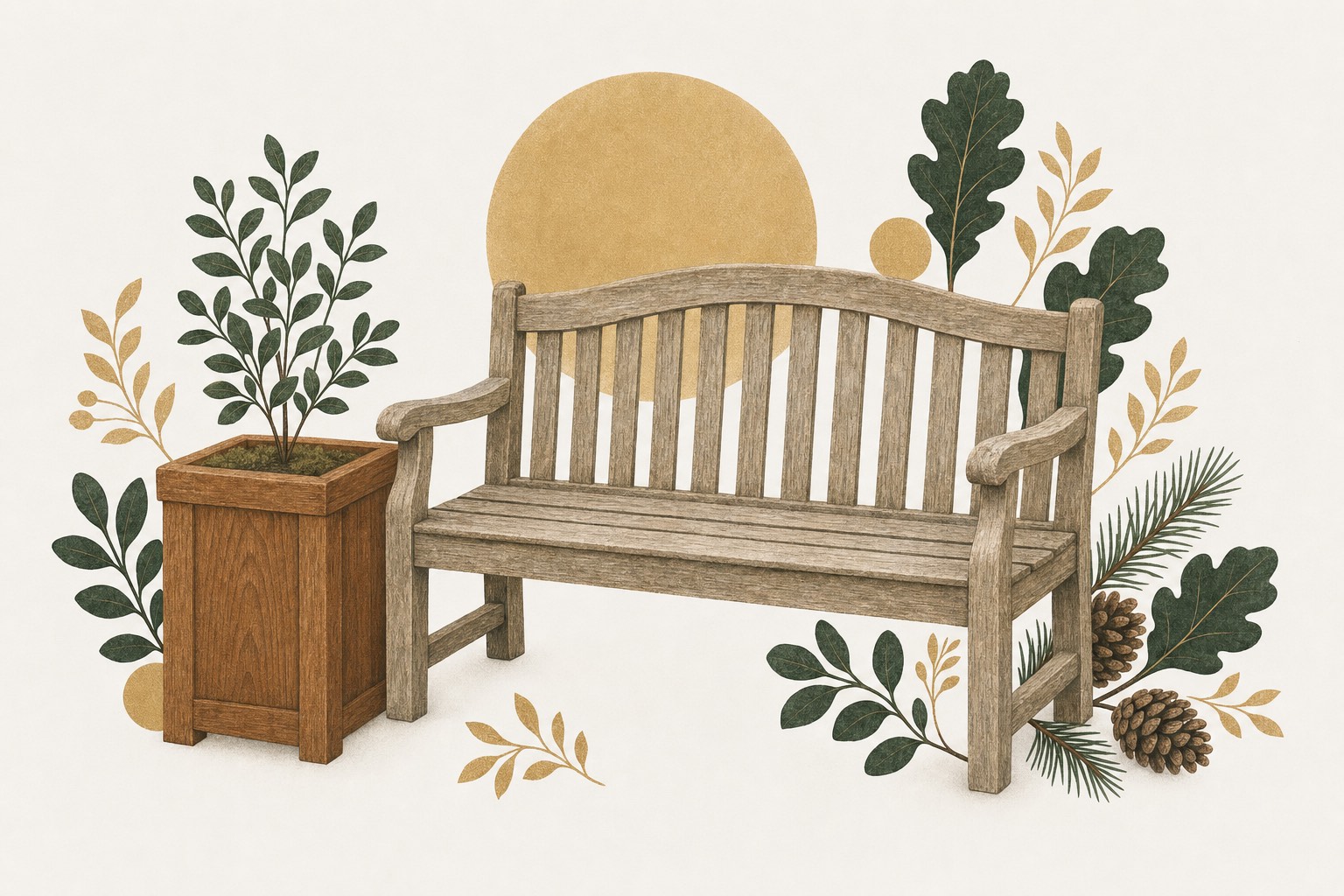
Teak is the gold standard for outdoor furniture, with ipe, white oak, black locust, cedar, redwood and cypress as strong alternatives. What they share is heartwood with natural oils or extractives that resist rot and insects. The common indoor favorites, maple, red oak, poplar, cherry and birch, rot within a few seasons outside however well you finish them.
The seven that last
Teak: oily, stable and rot-resistant, it weathers to silver gray and can last for decades with no finish at all. Ipe: extremely dense (around 3500 on the Janka scale) and very durable, but heavy and hard on tools. White oak: plugged pores keep water out; a strong, affordable domestic choice. Black locust: one of the most rot-resistant woods in North America, used for fence posts that outlive the people who set them.
Western red cedar: light, stable and fragrant, easy to work, but soft enough to dent. Redwood: similar to cedar, with rich color and excellent rot resistance in old-growth or heartwood grades. Cypress: durable and moderately priced in the American South.
Heartwood matters more than species
Rot resistance lives in the heartwood, the darker core of the tree. The pale outer sapwood of almost every species, teak and cedar included, rots like any other wood. When buying cedar or redwood, look for boards that are dark all the way across. Pressure-treated pine is the budget workaround: chemicals make up for the missing heartwood, but it is not ideal for surfaces you sit on or eat from.
Finish and build for weather
Even durable woods last longer with good design. Leave gaps between slats so water drains, raise legs off the ground with feet or glides, and use stainless or coated screws, since oak's tannins turn plain steel into black streaks. Penetrating oils with UV inhibitors keep the color; letting the wood silver naturally is fine for teak, cedar and white oak and saves the yearly recoat.
Buying secondhand outdoor furniture
"Teak" on a resale listing often means acacia, eucalyptus or meranti, which last years less. Photograph a clean underside or a leg end and LasWood tells you the species before you pay a teak price. The same check works on lumber for a new build: confirm the board is the durable species you paid for, not a lookalike.
Questions people ask
Is acacia good for outdoor furniture?
Acacia is reasonably durable and inexpensive, which is why it is common in patio sets. It needs regular oiling and lasts noticeably less than teak or white oak in wet climates.
Does pine work for outdoor furniture?
Untreated pine rots within a few seasons outdoors. Pressure-treated pine lasts much longer and is fine for planters and frames, but choose cedar or white oak for seats and tables.