The Janka hardness scale explained
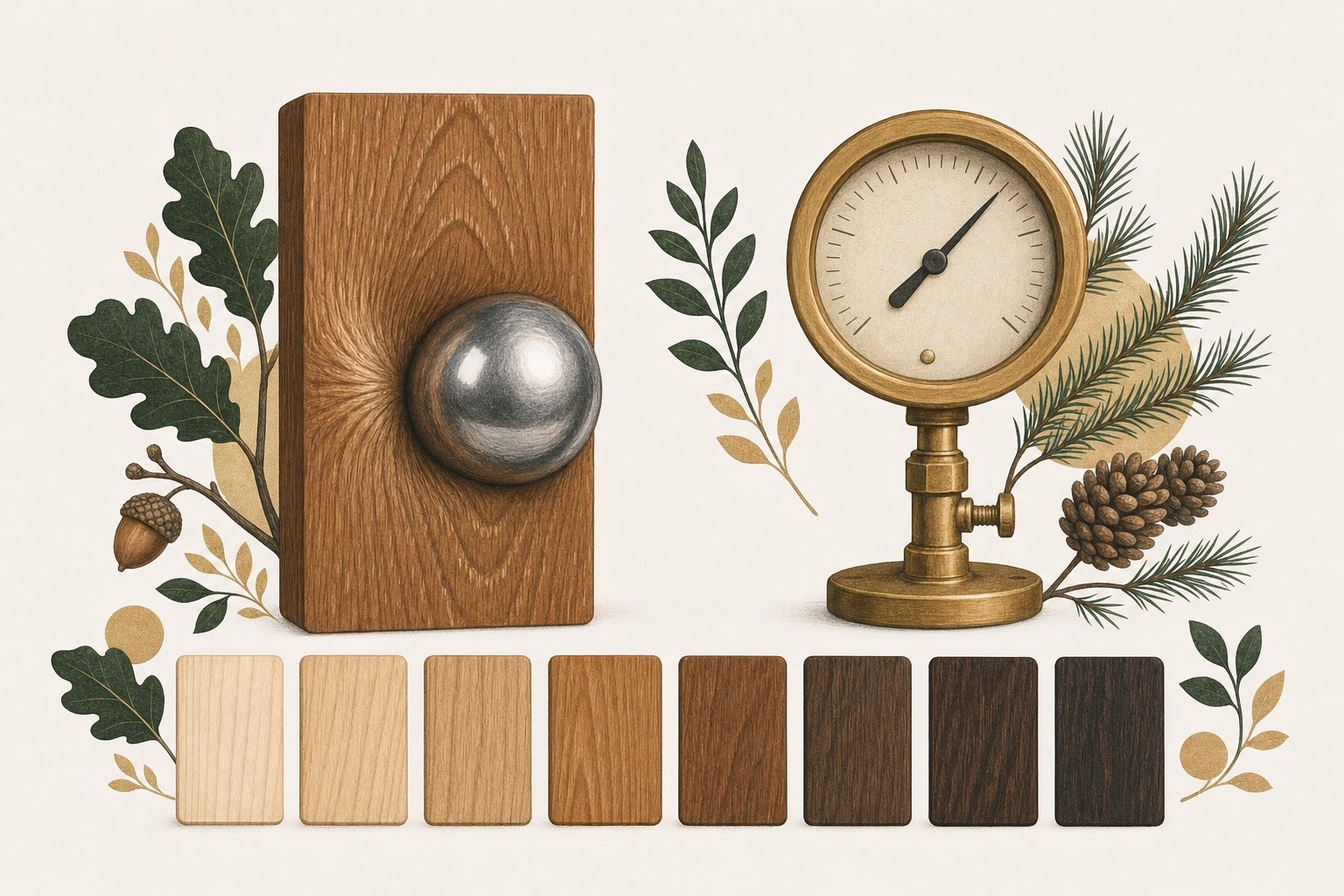
The Janka hardness rating is the force needed to press a 0.444-inch (11.28 mm) steel ball halfway into a piece of wood. It is reported in pounds-force (lbf) in the US and newtons (N) elsewhere. The higher the number, the better the wood resists dents and wear: eastern white pine scores about 380 lbf, red oak about 1290, hard maple about 1450 and ipe about 3500.
Hardness chart for common woods
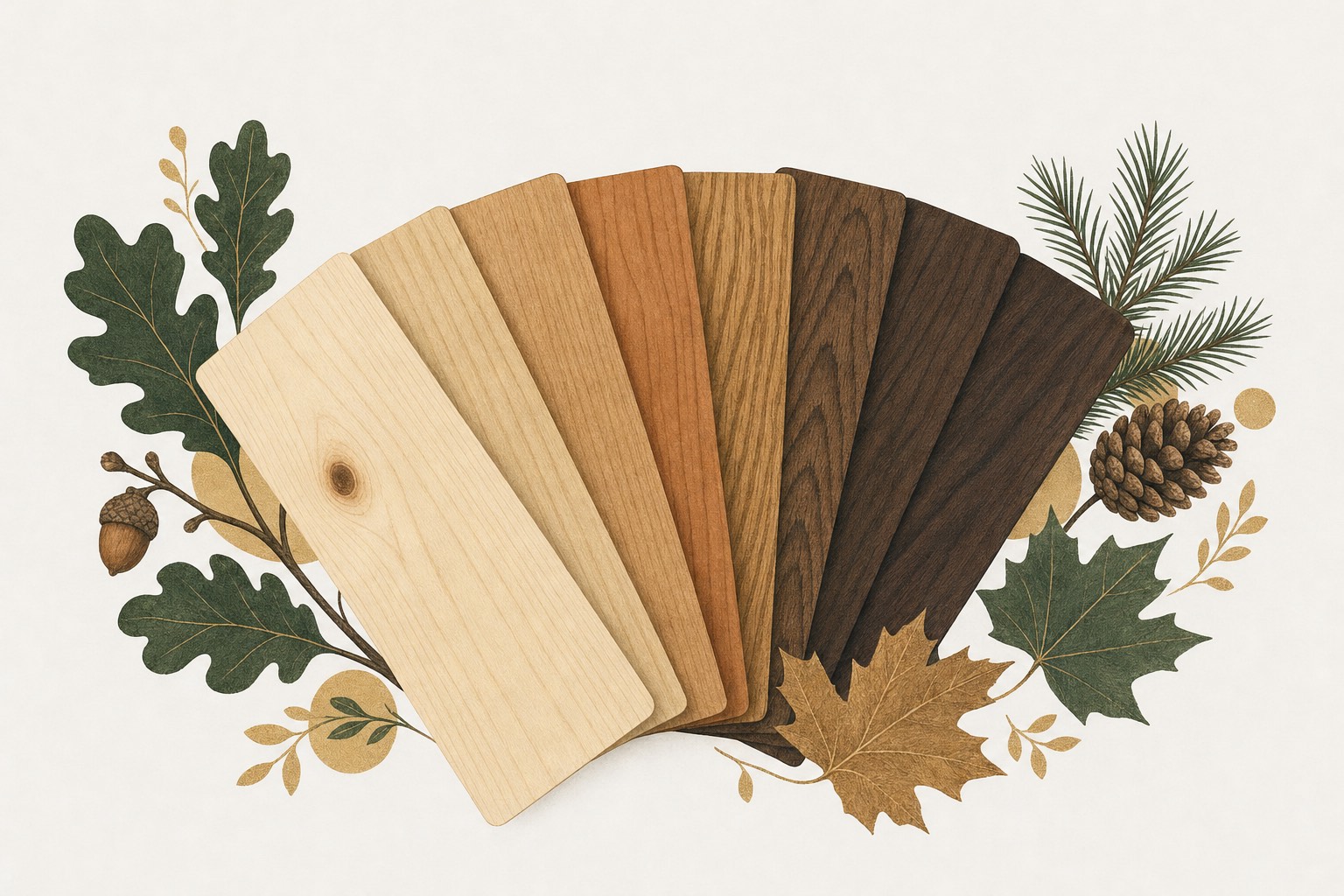
Approximate side hardness at 12% moisture, in lbf. Soft (under 700): balsa ~70, western red cedar ~350, eastern white pine ~380, basswood ~410, poplar ~540, Douglas fir ~620, southern yellow pine ~690.
Medium (700 to 1200): mahogany ~800, black cherry ~950, soft maple ~950, black walnut ~1010, teak ~1070, birch ~1260. Hard (1200 to 2000): red oak ~1290, white ash ~1320, white oak ~1360, sapele ~1410, hard maple ~1450, hickory ~1820. Very hard (over 2000): jatoba ~2350, purpleheart ~2520, ipe ~3500.
Figures vary between sources and between individual boards by 10 to 20 percent, so treat them as ranges, not exact values.
What the number does and does not tell you
Janka measures dent resistance on the face of a board. It predicts how a floor or tabletop will hold up to heels, dropped keys and chair legs. It does not measure bending strength, stiffness or how well a wood holds screws. Douglas fir, for example, scores low on Janka but is one of the strongest structural woods. And harder is not always better: very hard woods dull tools, are difficult to nail and can be brittle.

Using Janka to choose wood
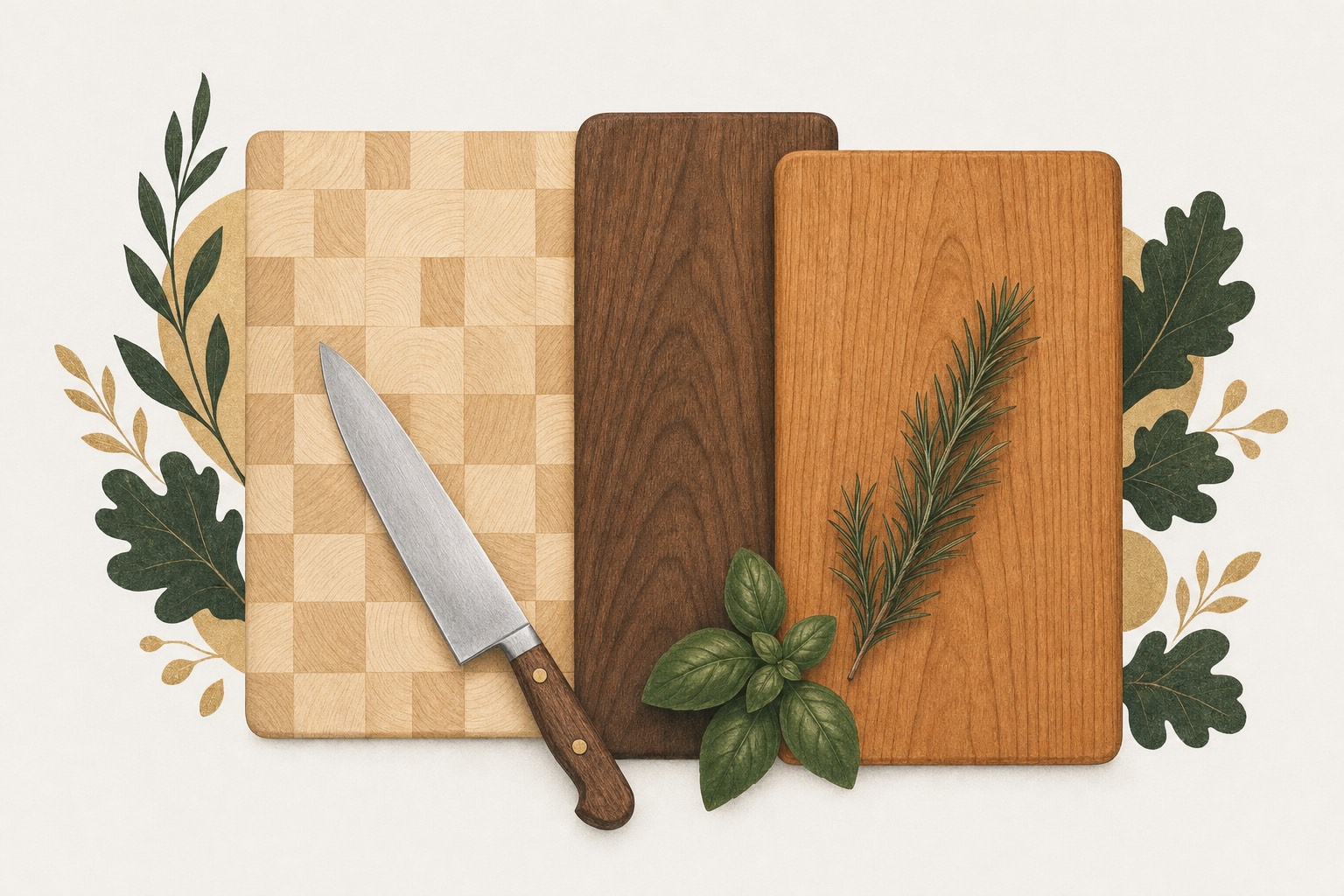
For floors in busy homes, look for 1200 or more: oak, hard maple and hickory are the common picks. For tabletops, anything above about 950 resists everyday wear. For carving and whittling, soft woods under 600, like basswood, are far easier. For cutting boards, aim for 900 to 1500 so the board resists scarring without blunting knives.
Find the rating for any board
A hardness chart only helps if you know the species. Photograph the grain and LasWood identifies it and shows the hardness alongside typical uses and finishing notes. That is the fastest way to check whether a mystery floorboard, offcut or secondhand table will take the wear you plan to give it.
Questions people ask
What is the hardest wood in the world?
Lignum vitae and Australian buloke are usually listed as the hardest, both well above 4000 lbf. Among commercially available flooring woods, ipe and Brazilian walnut are near the top.
Is a higher Janka rating better for flooring?
Up to a point. Above about 1200 lbf a floor resists everyday dents well; much harder species add durability but cost more and are harder to install and refinish.