The best wood for cutting boards
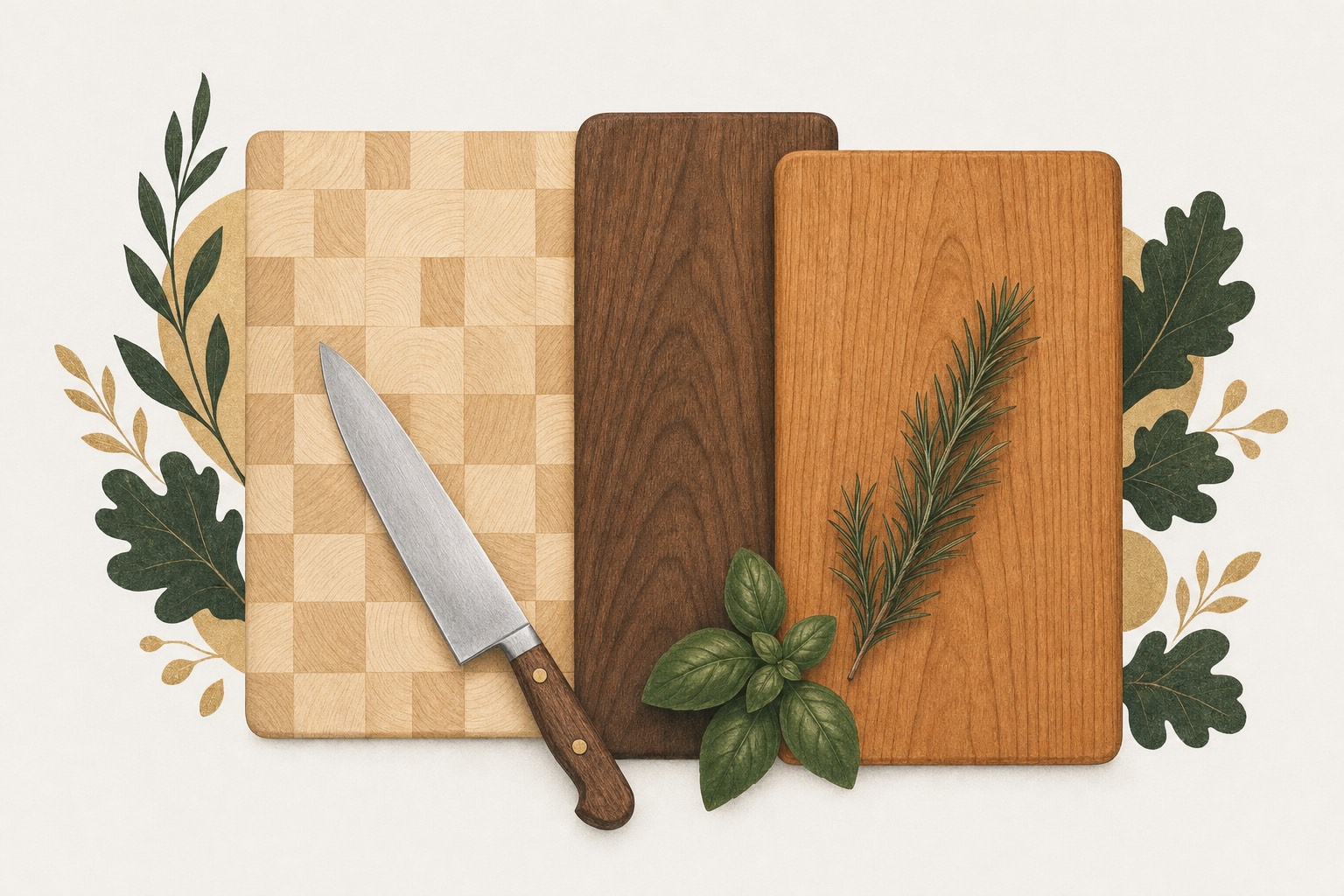
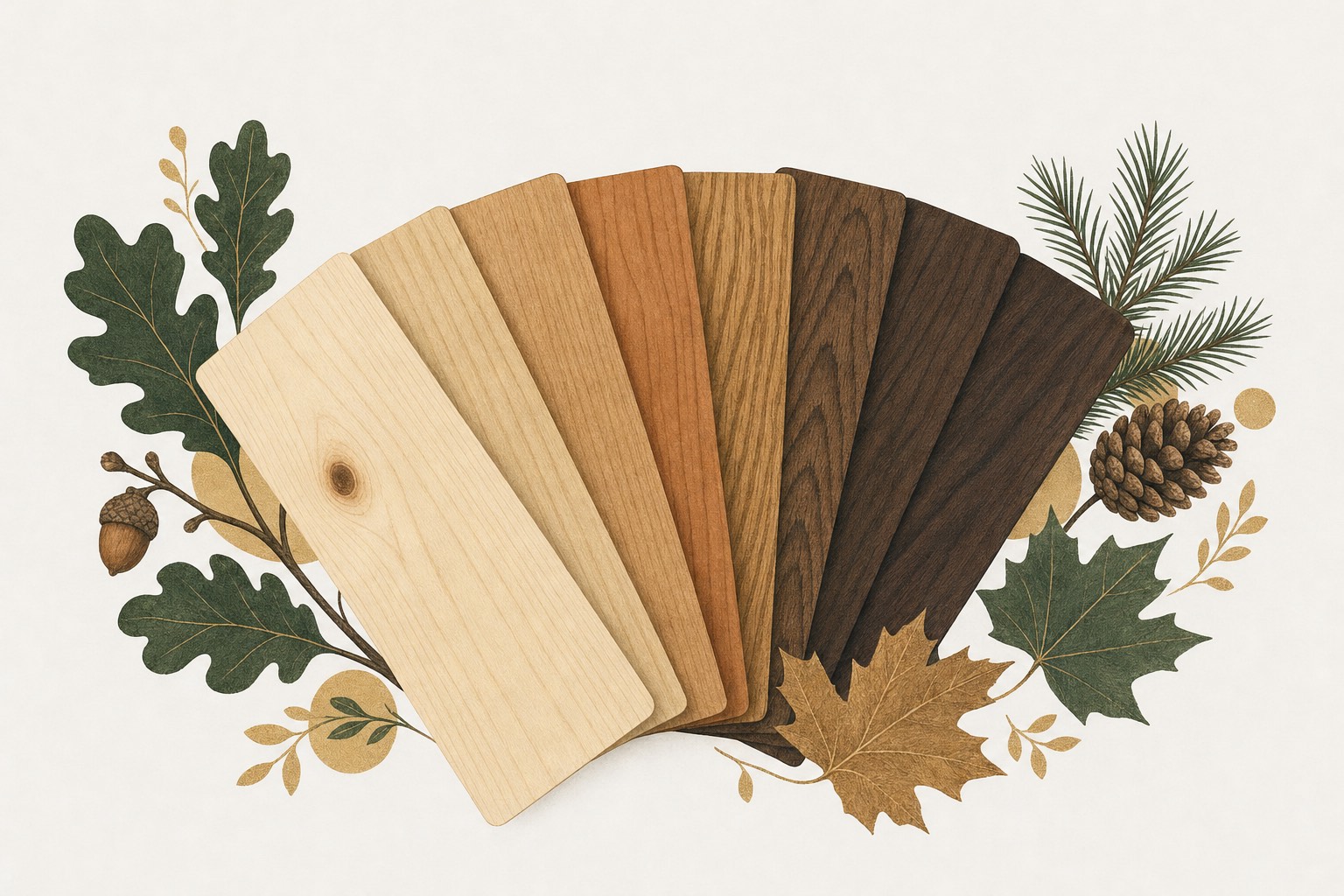
The best cutting board woods are hard maple, walnut and cherry. They are hard enough to resist deep knife scars, soft enough to spare your knife edge, and closed-grained, so juices do not soak into open pores. Beech and teak are good runners-up. What you want to avoid are open-pored woods like red oak, very hard exotics that dull knives, and species known to irritate skin.
What makes a good cutting board wood
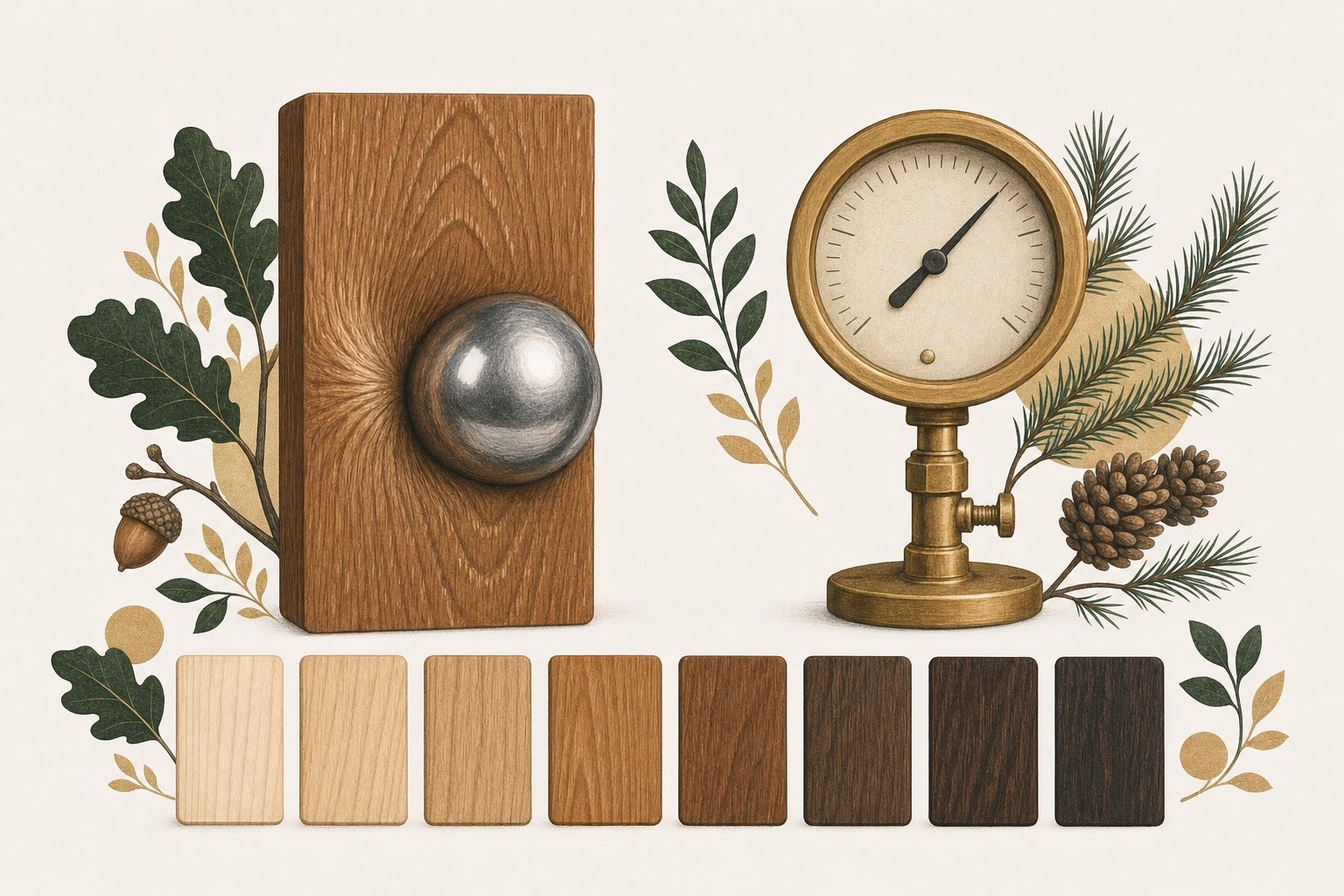
Three properties matter. Hardness: roughly 900 to 1500 on the Janka scale is the sweet spot; softer boards scar quickly, harder ones blunt knives. Closed grain: small, tight pores keep moisture and food out of the wood. Food safety: the wood should be non-toxic and not a common sensitizer. Hard maple (about 1450), walnut (about 1010) and cherry (about 950) tick all three boxes, which is why nearly every professional board is made from them.
Woods to avoid
Red oak has open pores that run the length of the board; liquid wicks straight in and is hard to clean out. Softwoods like pine dent and scar too easily and can taste of resin. Very hard tropical woods such as ipe or purpleheart are tough on knife edges. Some exotics, including cocobolo and other true rosewoods, cause skin reactions in many people. And skip anything from pallets or reclaimed lumber with an unknown history.
End grain, edge grain or face grain
End grain boards stand the fibers upright like a brush: the knife slips between them, cuts heal and the board is gentlest on edges, but it takes more work to build and needs more oil. Edge grain boards are strips glued side by side, durable and easy to make, the best value for most kitchens. Face grain boards show off a wide figured board but scar fastest, so they suit serving and cheese boards better than daily chopping.
Check the board before it touches food
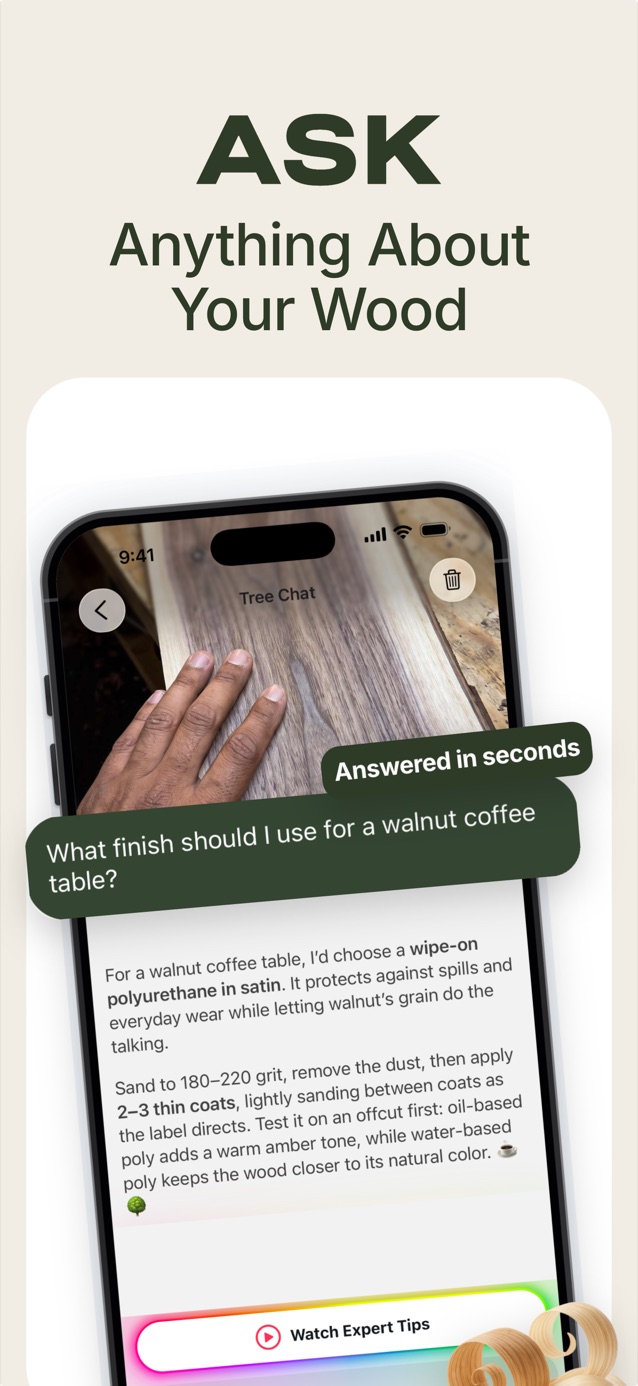
Offcuts, gifted boards and secondhand finds often come without a species name. A photo through LasWood tells you whether you are holding maple or an open-pored oak, and the profile flags hardness and typical uses before you commit. Then finish it with plain food-grade mineral oil or an oil and beeswax blend, and re-oil whenever the surface looks dry.
Questions people ask
Is wood or plastic more hygienic for cutting boards?
Food-safety research has found that well-kept hardwood boards perform at least as well as plastic once both are scarred by knives. Wash with hot soapy water, dry upright and never soak or dishwash a wooden board.
Is bamboo good for cutting boards?
Bamboo is a grass, not a wood. It is hard and inexpensive but tough on knife edges, and the glue content is high. Maple or walnut is kinder to good knives.