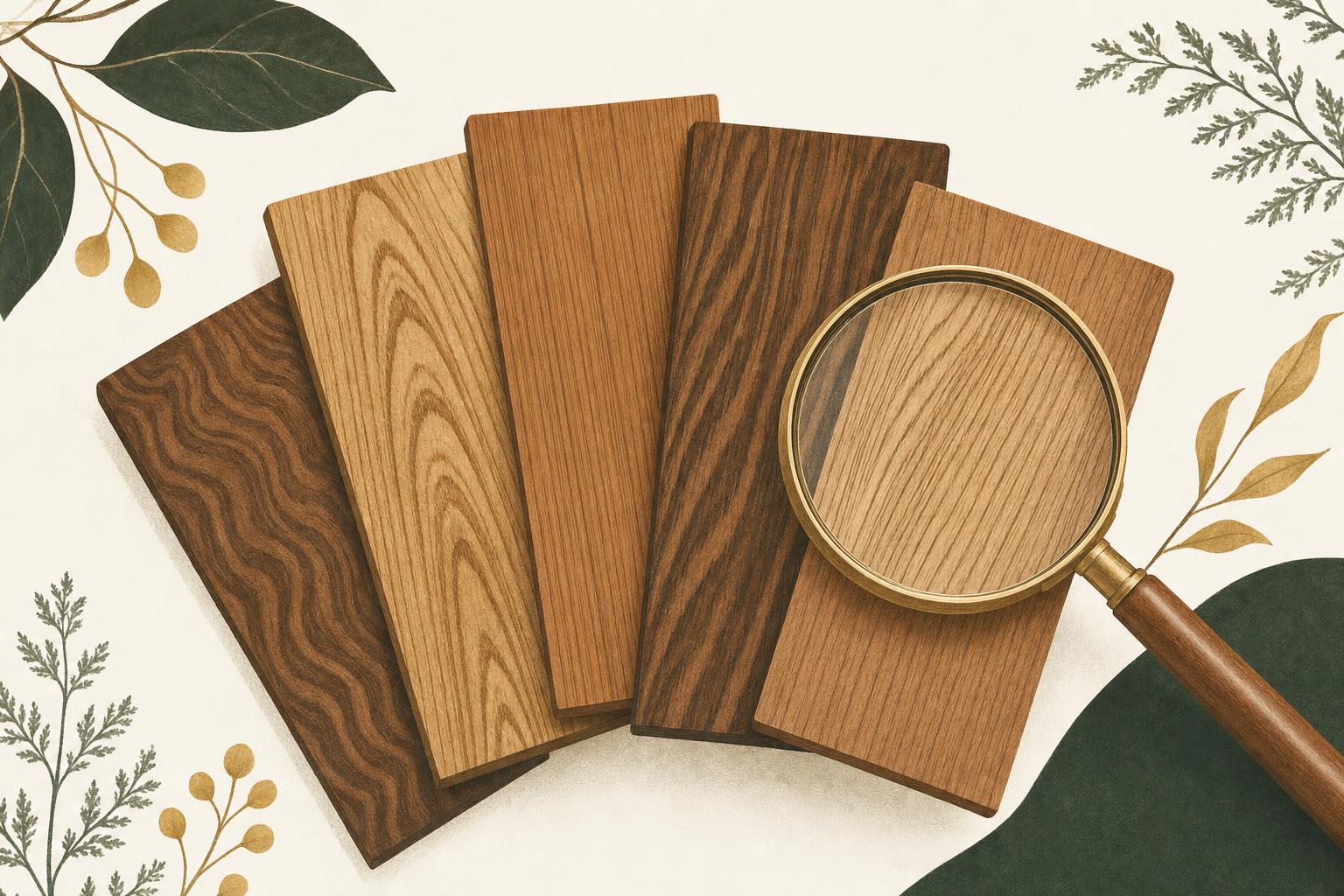
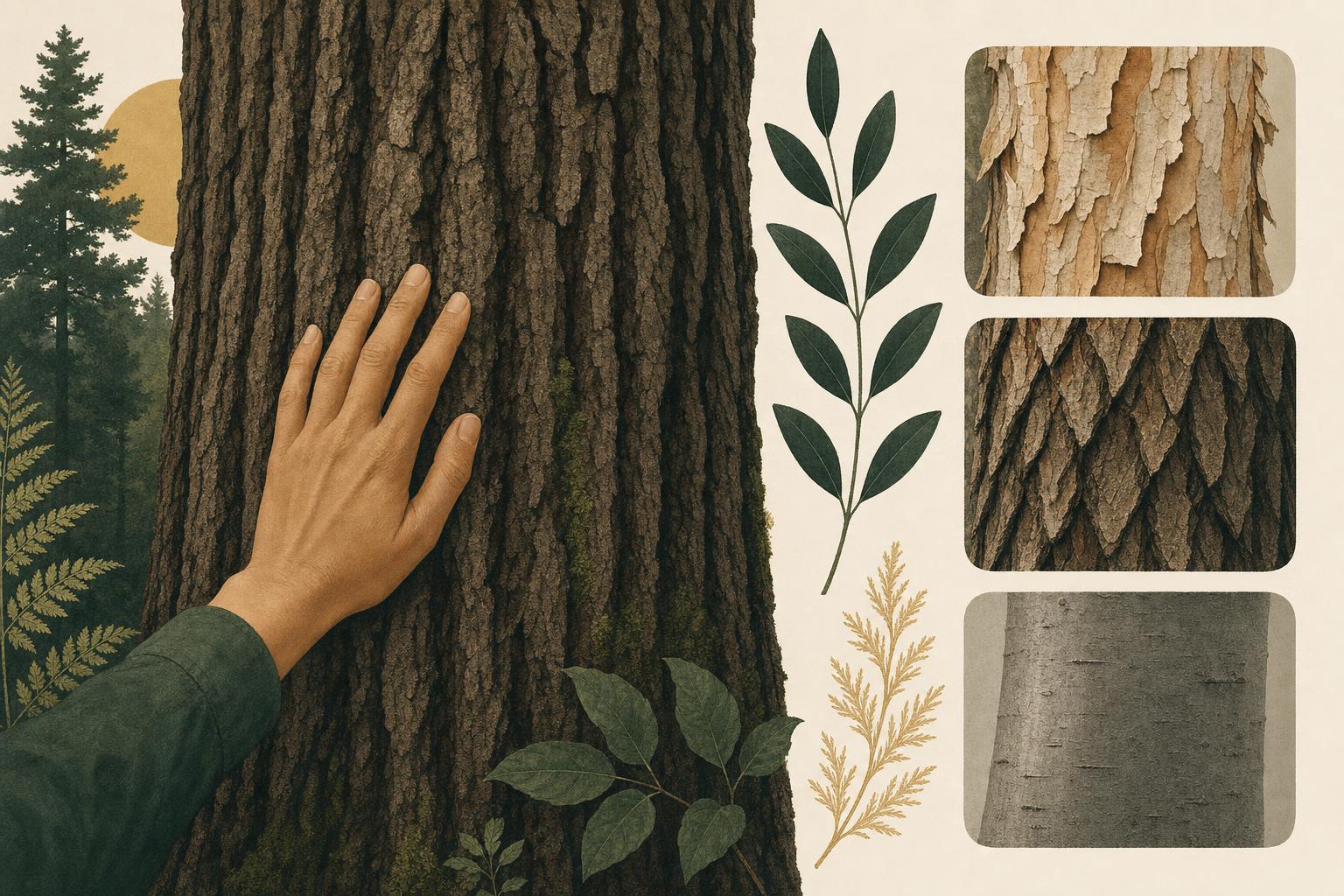
What wood is this? One photo answers it
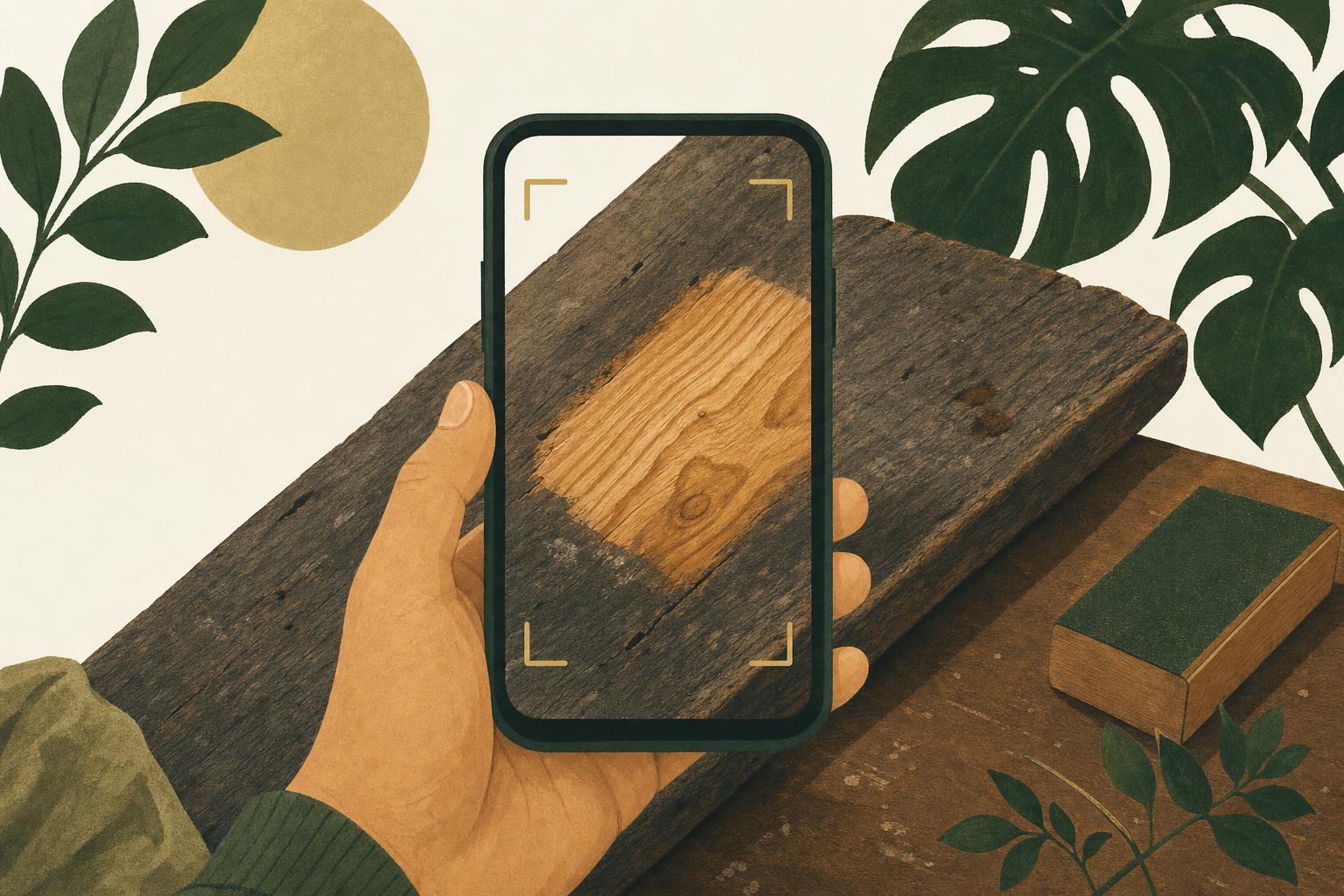
The fastest way to answer "what wood is this?" is a photo of the grain. Sand a small patch if the surface is dirty or weathered, shoot it in daylight, and LasWood returns the species with its scientific name, hardness and best uses in a few seconds. It beats posting to a forum and waiting a day for three contradictory answers.
Why mystery boards are worth identifying
Pallets, estate-sale lumber and offcut bins hide real value. Old pallets have carried purpleheart and white oak; barn boards are often American chestnut, a species you cannot buy new at any price. Identification also protects your tools and lungs: some tropical species dull blades fast, and a few, like cocobolo, are common sensitizers you want to know about before sanding.
Getting a photo the identifier can read
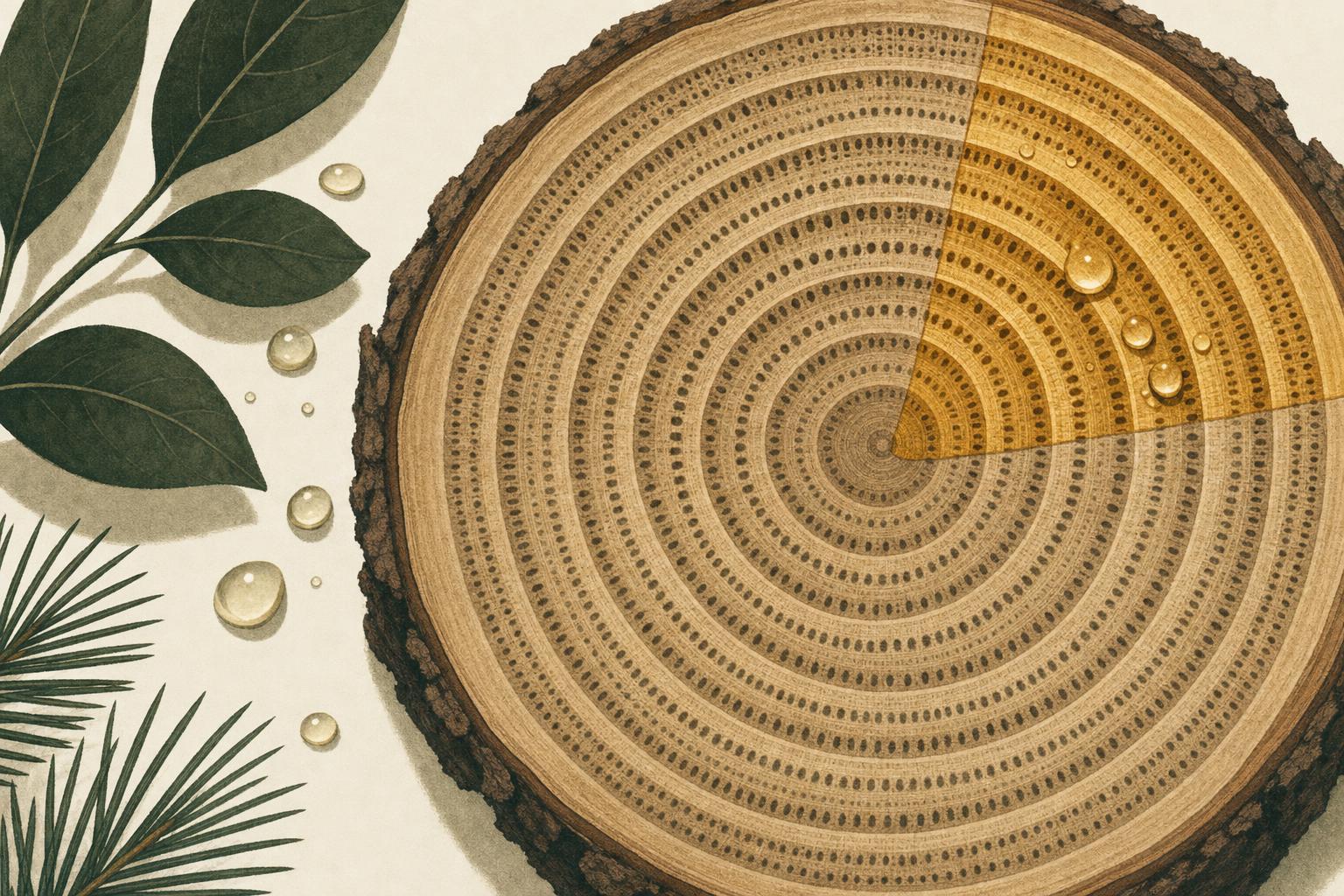
Weathered gray wood is a mask. The ultraviolet-bleached surface looks the same on oak and pine, so expose fresh grain first: thirty seconds with sandpaper on a corner is enough. Shoot in daylight or bright shade, fill the frame with the grain, and hold the phone square to the surface. If the board has a clean end, photograph that too; end grain carries the most identification signal per pixel.
What comes back
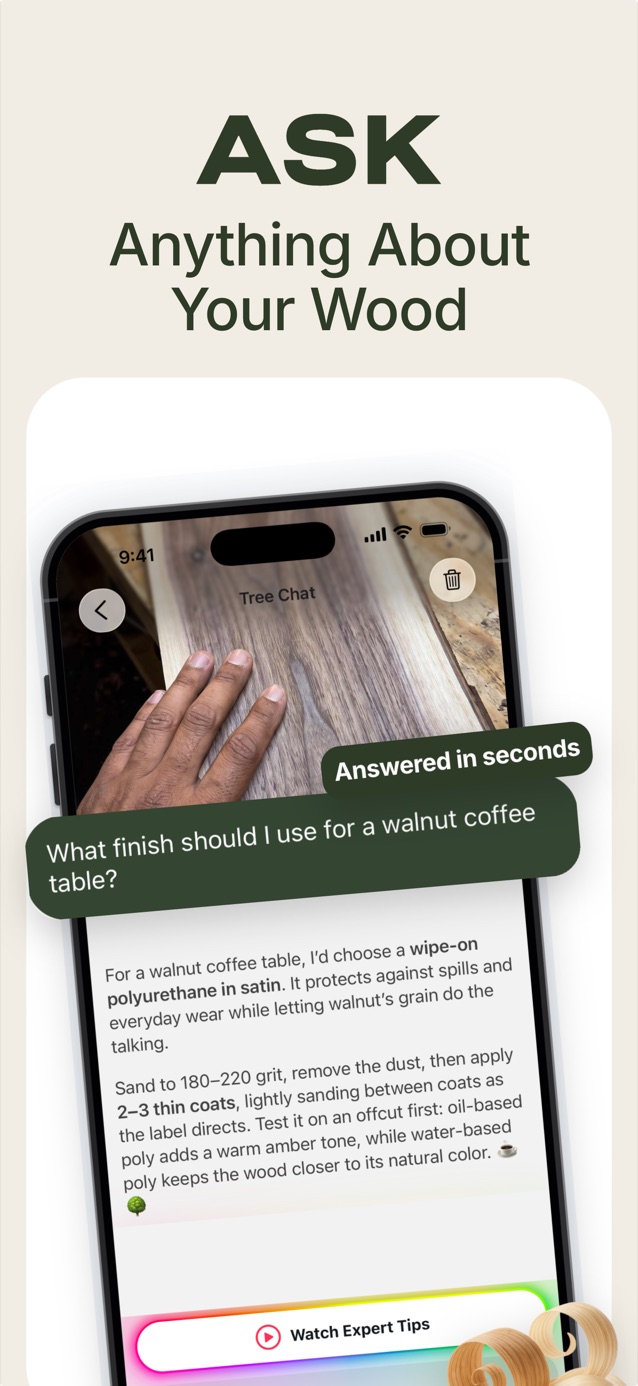
An identification in LasWood is a species profile, not just a name: scientific and common names, habitat, hardness, grain description, typical uses and finishing behavior. The Tree Chat screen keeps the photo and answer together, so you can ask follow-ups about the exact board in front of you. Curated expert videos cover what makers actually do with that species.
When a photo is not enough
Painted wood, charred wood and composite sheet goods resist photo ID; there is no visible grain to read. Sand to bare wood where you can. For legally sensitive identifications, antique restoration or suspected protected species, treat any visual method as a first pass and confirm with a specialist, since definitive identification of some rosewoods requires lab anatomy. For the everyday "is this maple or birch?" question, the photo settles it on the spot.
Questions people ask
Can the app identify wood from old pallets and reclaimed lumber?
Yes, once you expose fresh grain. Weathered surfaces all look gray; a quick sanding on one face or end gives the camera real structure to read.
Does wood identification work on finished floors?
Often, because finish is transparent and grain structure shows through. Photograph a clean board in even light and avoid glare from windows; oak, maple and hickory floors read reliably.