What wood are pallets made of?
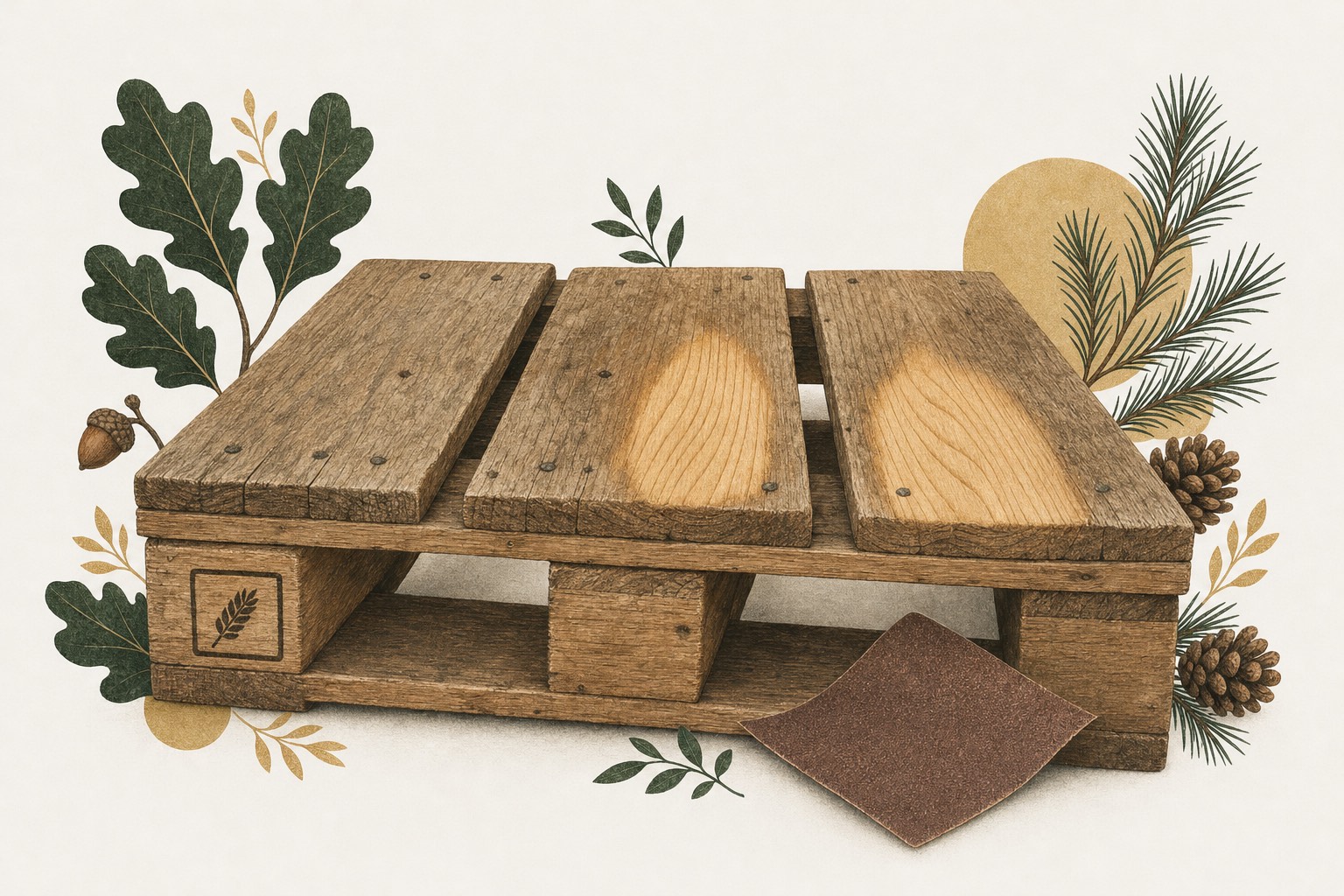
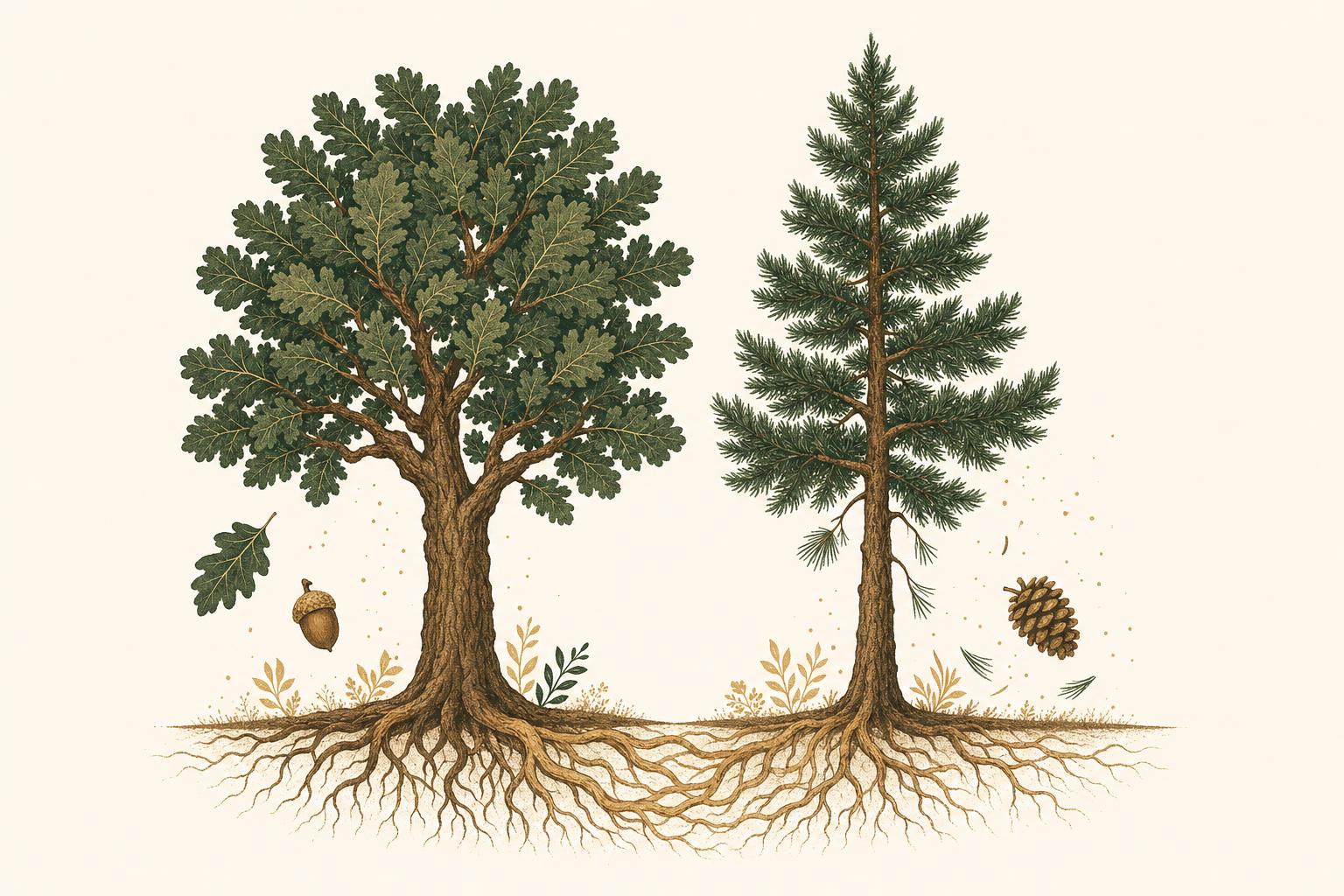
Most North American pallets are made from low-grade oak, mixed hardwoods like poplar, maple and gum, or southern yellow pine. European pallets are typically spruce and pine. The species varies by region and by what the mill had cheap that week, which is why the same stack can hide plain pine next to oak. Before you build with them, read the stamp, then identify the wood.
- Find the IPPC stamp. Look for the wheat-ear logo on a side block or stringer. It marks pallets made for international shipping.
- Read the treatment code. HT means heat treated and is the one you want. MB means methyl bromide fumigation: do not use it.
- Inspect for contamination. Skip pallets with stains, spills, chemical smells or that came from food, chemical or medical shipments.
- Sand a patch and identify. Expose fresh grain on one board, photograph it in daylight and let LasWood name the species.
Reading pallet stamps
The IPPC stamp includes a country code, a producer number and a treatment code. HT (heat treated) means the wood was heated to kill pests, with no chemicals. KD means kiln dried. DB means debarked. MB means the pallet was fumigated with methyl bromide, a toxic pesticide, and should never be used for projects, especially indoors. Domestic pallets often carry no stamp at all; their history is unknown, so reserve them for outdoor or decorative use.
Pallets to leave alone
Painted blue pallets (CHEP), red pallets and other branded pallets are usually rented, not owned; taking them is theft in many places. Avoid any pallet with dark stains, oily spots or a sweet or chemical smell. And never use pallet wood for cutting boards, toys for small children or anything that touches food, since you cannot know what was spilled on it.
Why the species matters
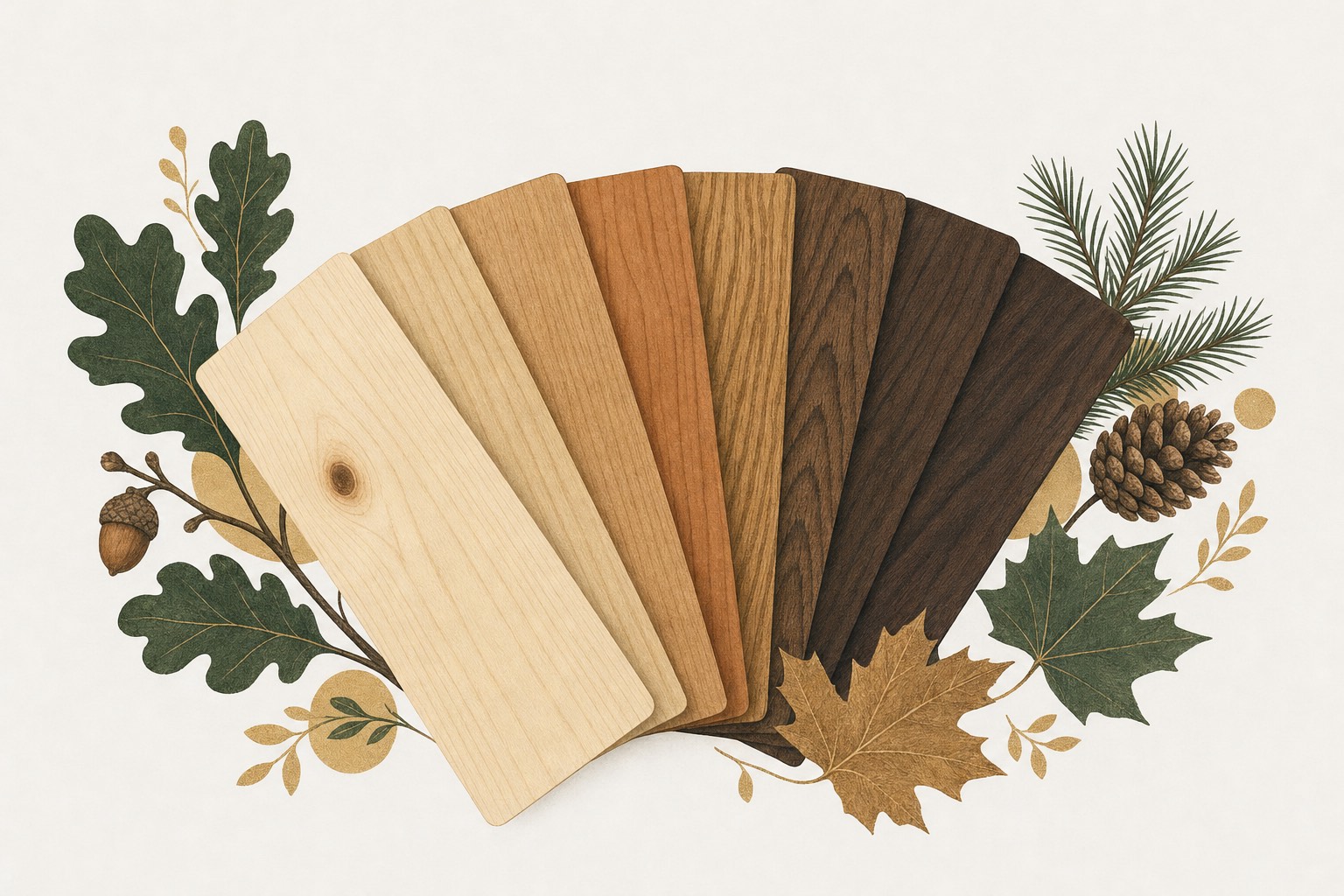
A pallet oak board is hard, heavy and great for a rustic tabletop, but tough on hand tools. Pine slats are soft and easy to cut but dent quickly. Some pallets contain surprisingly good wood: walnut, cherry and even tropical species from import crates turn up regularly. Knowing which species you have tells you how to cut, sand and finish it and whether it is worth using for something nicer than a planter.
Identify every board before you build
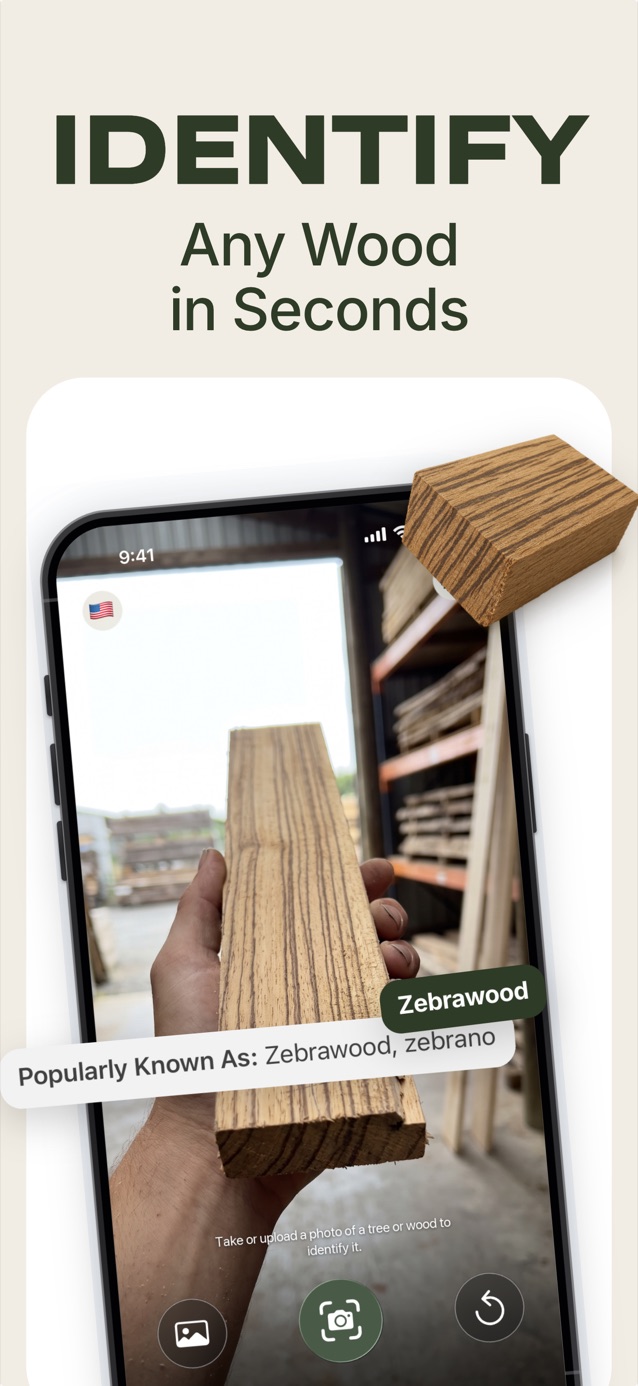
Pallet wood is weathered gray, dirty and nail-scarred, so its species is rarely obvious. Thirty seconds with sandpaper on one corner and a daylight photo through LasWood gives you the species, hardness and typical uses. Sort your pile that way and the hardwood slats go to the tabletop, the pine to the shelves.
Questions people ask
Is heat-treated pallet wood safe indoors?
Pallets stamped HT have not been chemically treated, so they are generally fine for furniture and decor, provided the wood is clean and free of spills. Sand and seal the surface before use.
How do I remove nails from pallets without splitting the boards?
Cut through the nails between the deck boards and stringers with a reciprocating saw and a metal blade, then punch the remaining nail stubs out. Prying usually splits brittle pallet slats.