The best wood for carving and whittling
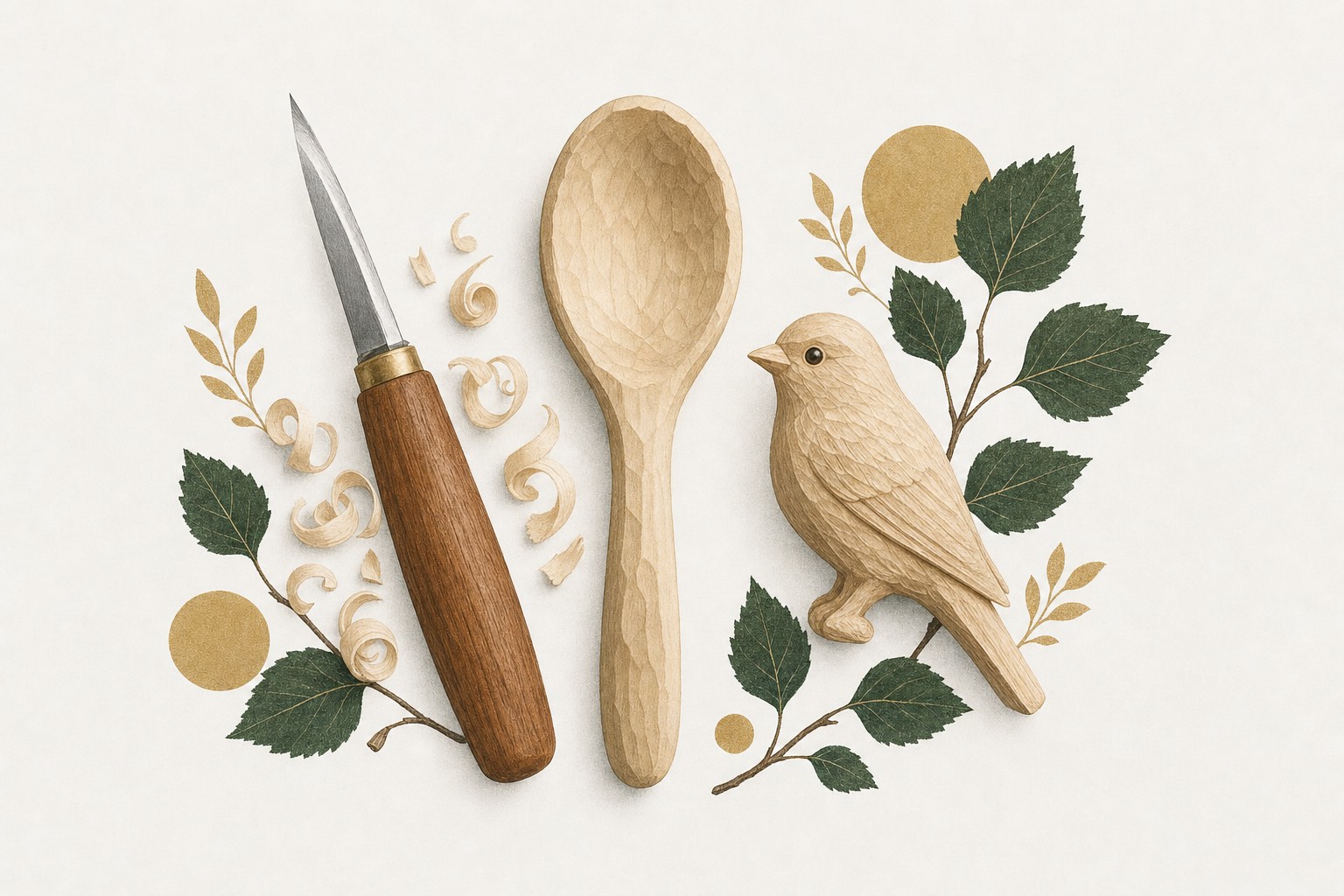
Basswood is the best wood for beginners: soft, even-textured and almost grainless, so the knife goes where you point it. Butternut, eastern white pine and tupelo are close behind. For spoons and green woodworking, freshly cut birch, cherry and maple carve easily while wet and dry hard. Avoid dry oak, hickory and knotty wood until your tools and technique are sharp.
The beginner four
Basswood (called lime in the UK): pale, soft (about 410 on the Janka scale) and so uniform that it holds fine detail without splitting. It is the default for whittling, figures and relief panels. Butternut: soft and easy to carve like basswood but with an attractive walnut-like grain. Eastern white pine: cheap and widely available, good for signs and larger pieces, though its rings can be uneven. Tupelo: the wood of decoy and bird carvers, soft but able to hold crisp feather detail.
Green wood and spoon carving
Spoon carvers work freshly cut wood because it is far softer while wet. Birch, cherry, maple, sycamore and fruitwoods like apple are the favorites: tight-grained, food-safe and resistant to splitting as they dry. Carve close to final shape while green, let the piece dry slowly in a paper bag for a few days, then do the final cuts. Avoid green oak for spoons, as its tannins taste bitter and stain.
Harder woods for experienced carvers
Walnut, cherry and mahogany carve cleanly with sharp tools and take a beautiful finish, which makes them popular for furniture details and bowls. Oak and ash carve but tear out easily across the grain. Very hard tropical woods are mostly for power carving. Whatever the species, straight-grained, knot-free stock makes carving easier, so pick the board as carefully as the wood type.
Know what you are carving
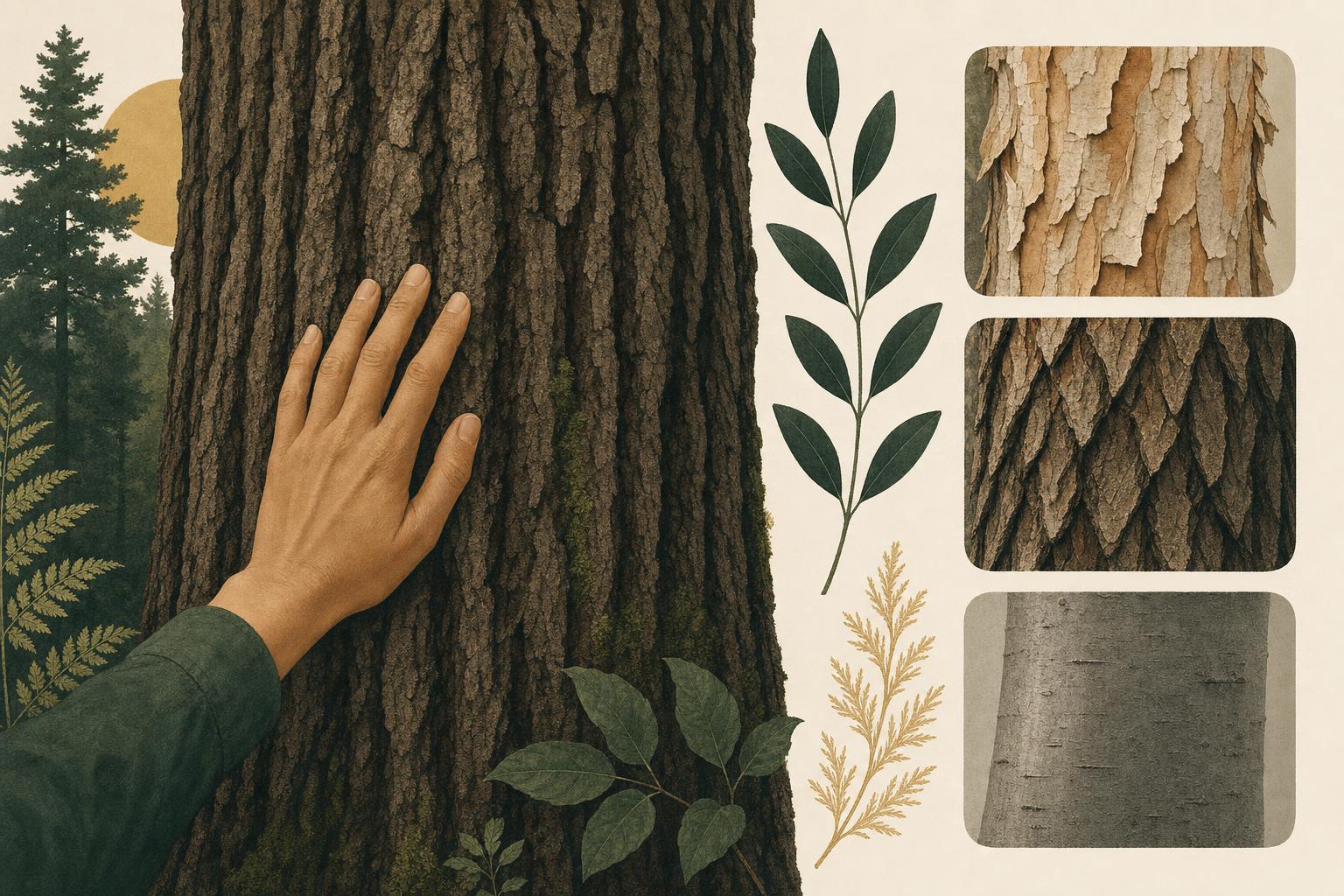
Found branches, firewood and craft-store blanks are often unlabeled. Photograph the bark, end or a clean face and LasWood names the species with its hardness and typical uses, so you know whether it will carve like butter or fight every cut. It also flags species that are poor choices for spoons or food contact before you put the work in.
Questions people ask
What wood should a beginner use for whittling?
Basswood. Buy small kiln-dried blocks without knots, keep your knife very sharp and carve with the grain. Once you are comfortable, try butternut or pine.
Can I carve wood from my yard or firewood pile?
Yes, often very well, especially fresh birch, maple, cherry or fruitwood. Identify the species first and avoid toxic plants like yew for anything that touches food.